 AI Generated Apps AI Code Learning Technology
rtificial Intelligence is no longer something reserved for developers, researchers, or large tech companies. In 2026, AI has become part of everyday work, learning, content creation, business operations, and even personal productivity. From writing emails and designing graphics to automating workflows and analyzing documents, AI tools are helping beginners accomplish tasks faster and more efficiently than ever before.
But with thousands of AI tools available online, beginners often face one major problem: Where should I start?
The truth is that many AI tools promise incredible results but can feel overwhelming for someone who is just starting. Some require technical knowledge, complex setup processes, or expensive subscriptions. Others are simple but limited in real-world usefulness.
This guide focuses on the best AI tools for beginners in 2026 — tools that are easy to use, highly practical, and genuinely helpful for everyday users. Whether you are a student, freelancer, entrepreneur, office worker, marketer, or simply curious about AI, these tools can help you become more productive without needing advanced technical skills.
Why AI Tools Matter in 2026
AI adoption has accelerated rapidly over the last few years. Businesses are integrating AI into customer support, marketing, research, automation, and decision-making. At the same time, individuals are using AI to improve productivity and learn faster.
According to industry reports from organizations like OpenAI, Google, and Microsoft, AI assistants are becoming a standard part of digital workflows.
For beginners, this creates an important opportunity:
- save time on repetitive tasks
- improve writing quality
- automate workflows
- learn faster
- create content more efficiently
- reduce manual work
The key is choosing tools that are beginner-friendly and useful from day one.
1. ChatGPT — The Best Overall AI Assistant for Beginners

Best For
- Writing assistance
- Brainstorming ideas
- Learning new topics
- Coding help
- Email drafting
- Research summaries
When people think about AI in 2026, one of the first tools that comes to mind is OpenAI’s ChatGPT.
What makes ChatGPT ideal for beginners is its simplicity. You simply type a question or request in natural language, and the AI responds conversationally. You do not need programming skills or technical expertise to use it effectively.
For example, beginners can use ChatGPT to:
- write professional emails
- summarize long documents
- generate blog ideas
- explain difficult concepts
- create study notes
- improve resumes
- learn coding basics
One of the biggest advantages of ChatGPT is that it helps users learn while working. Instead of just giving answers, it can explain concepts step-by-step.
Example Beginner Prompts
- “Explain machine learning in simple terms.”
- “Write a professional client email.”
- “Summarize this article.”
- “Help me prepare for a job interview.”
Why Beginners Love It
- easy conversational interface
- supports voice interaction
- useful across many industries
- no coding required
2. NotebookLM — Best AI Tool for Learning and Research
Best For
- Students
- Researchers
- Document analysis
- Study assistance
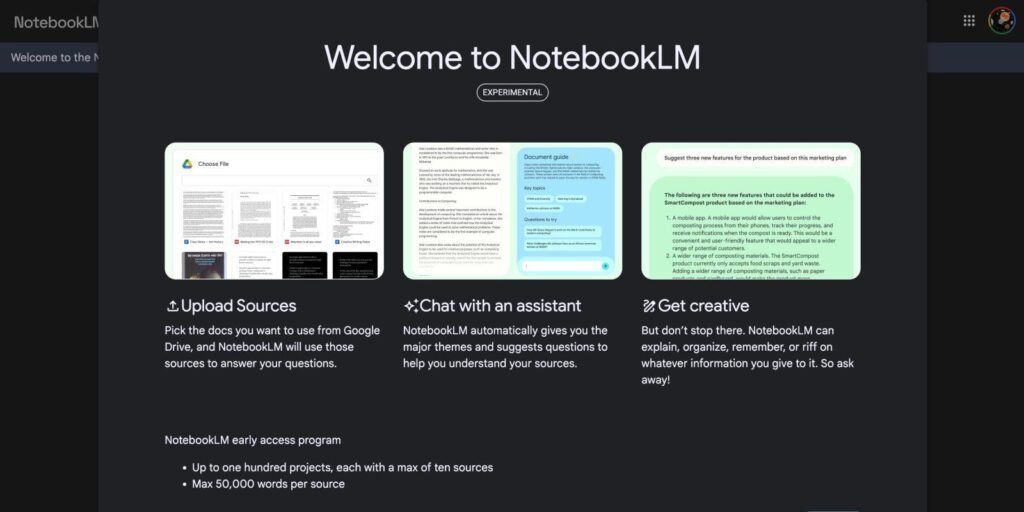
Google created NotebookLM to help users understand information from their own documents.
This tool is especially powerful for beginners because it reduces information overload. Instead of reading hundreds of pages manually, users can upload PDFs, notes, or research papers and ask questions directly.
NotebookLM can:
- summarize documents
- generate study guides
- answer questions from uploaded files
- create simplified explanations
- organize research material
For students and professionals, this is incredibly useful.
Imagine uploading a 100-page report and simply asking:
“What are the key findings?”
or
“Explain this document in beginner-friendly language.”
That alone can save hours of work.
3. Perplexity AI — Best AI Search Engine
Best For
- Fast research
- Fact-checking
- Learning current information
Traditional search engines often force users to open multiple websites before finding useful answers.
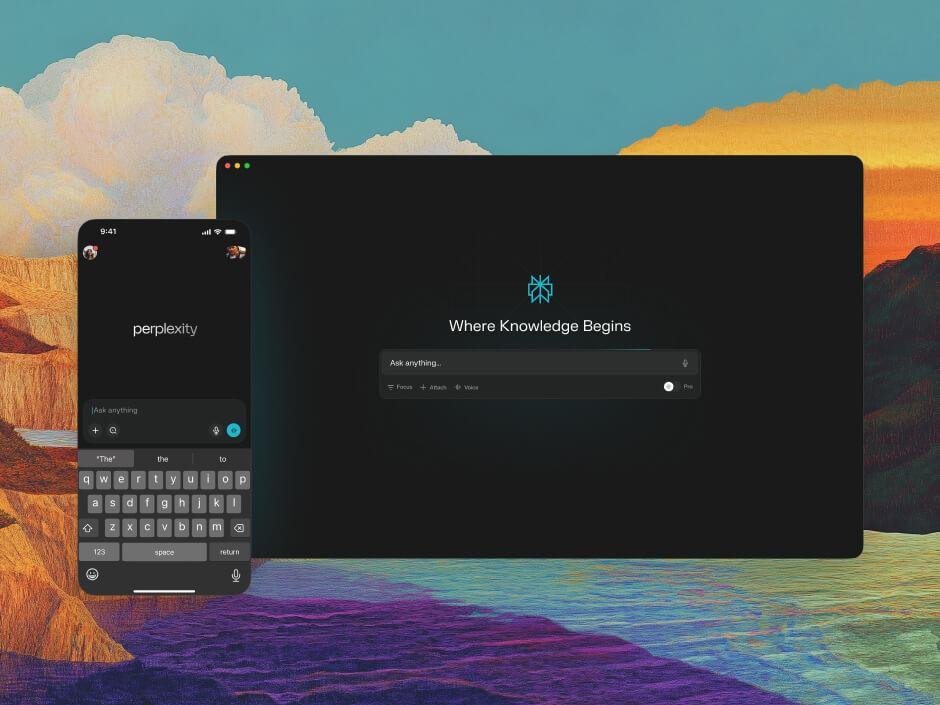
Perplexity AI changed that experience by combining AI with web search.
Instead of showing only links, Perplexity provides direct answers with sources attached. This makes research significantly easier for beginners.
It is especially helpful for:
- researching trends
- comparing products
- learning technical topics
- finding recent information
Because it includes citations and references, users can verify information more easily.
4. Canva AI — Best AI Tool for Design Beginners
Best For
- Social media graphics
- Presentations
- Marketing visuals
- Simple video editing
Canva remains one of the most beginner-friendly design platforms available.
Its AI features now allow users to:
- generate presentations automatically
- create social media content
- remove image backgrounds
- generate design ideas
- create marketing materials quickly
For beginners who have no graphic design experience, Canva dramatically lowers the learning curve.
Instead of learning complex software like Adobe Photoshop, users can create professional-looking visuals within minutes.
5. Claude — Best AI Tool for Writing and Long Documents
Best For
- Long-form writing
- Reports
- Business documents
- Brainstorming
Developed by Anthropic, Claude has become popular for its strong writing abilities and natural conversational tone.
Many beginners prefer Claude for:
- article writing
- document editing
- proposal drafting
- summarizing long reports
It is particularly useful for people working with large amounts of text.
For example:
- business reports
- research papers
- legal documents
- meeting notes
Claude is often praised for producing writing that feels more natural and human-like.
6. n8n — Best Beginner Automation Tool
Best For
- Workflow automation
- AI agents
- Repetitive task automation
Automation is becoming one of the most valuable AI skills in 2026.
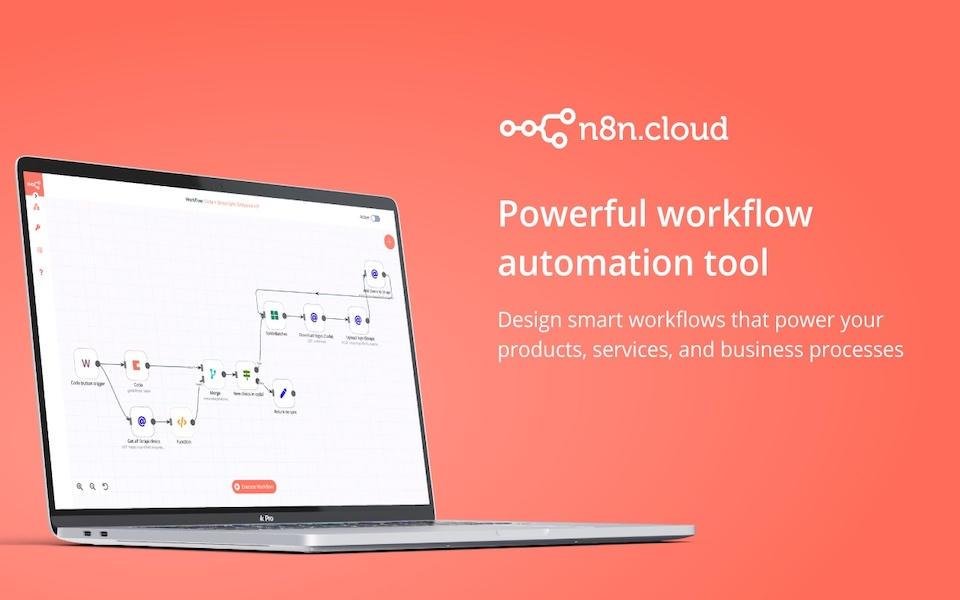
n8n GmbH’s n8n helps beginners automate workflows without heavy programming knowledge.
Users can connect services like:
- Gmail
- Google Sheets
- Slack
- WordPress
- AI APIs
For example, beginners can build workflows that:
- generate blog posts automatically
- send email summaries
- organize leads
- monitor websites
- automate social media posting
As AI agents become more popular, tools like n8n are becoming increasingly important.
7. GitHub Copilot — Best AI Tool for Beginner Programmers
Best For
- Learning programming
- Code suggestions
- Debugging help
GitHub’s GitHub Copilot helps beginners write code faster by suggesting code snippets in real time.
For new programmers, this can significantly reduce frustration.
It can help users:
- understand syntax
- debug errors
- learn programming patterns
- generate repetitive code
Although beginners should still learn programming fundamentals, Copilot can act like a coding assistant during the learning process.
Important Advice for Beginners
AI is powerful, but beginners should remember:
- AI can make mistakes
- always verify important information
- do not blindly trust generated content
- learn how to write better prompts
- use AI as a helper, not a replacement for thinking
The people benefiting most from AI in 2026 are not necessarily experts. They are people who consistently use AI to improve everyday workflows.
Final Thoughts
AI tools in 2026 are more accessible than ever before. Beginners no longer need advanced technical skills to benefit from artificial intelligence.
Whether you want to improve productivity, learn faster, automate tasks, create content, or simplify work, there are beginner-friendly AI tools available for nearly every need.
If you are just starting, focus on tools that are simple, practical, and useful in real-world situations.
A strong beginner stack could look like this:
| Purpose | Recommended Tool |
|---|---|
| General AI Assistant | ChatGPT |
| Research | Perplexity |
| Document Learning | NotebookLM |
| Design | Canva |
| Automation | n8n |
| Writing | Claude |
| Coding | GitHub Copilot |
The most important step is simply to begin experimenting and learning gradually.
AI is no longer the future — it is already part of modern work and daily life.